

Quail River Farm


Welcome to Quail River Farm! We are a small, family-owned farm located in Norwood, North Carolina. We specialize in producing fresh, high-quality vegetables and poultry using regenerative farming practices. Our crops are grown without harsh chemicals, and our poultry is raised on antibiotic-free feed to ensure healthy, natural food for our community.
Take a look at our Products!
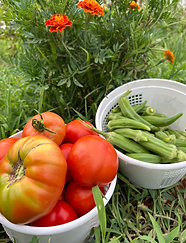
Check out our wide variety of produce that we grow throughout the year. Our produce is grown using regenerative farming techniques and Never use chemicals or pesticides. We supplement our soil with manure from our poultry. Our goal is to grow healthy food for our community!

Take a look at our Chickens at Quail River Farms. Our laying hens are pasture raised in movable tractor pens, giving our hens access to natural grasses and bugs. They are also supplemented with non-medicated grains and fermented oats. We sell farm fresh eggs all year long!


Quail River Farms is know for their Coturnix quail. These quail are raised in both raised and ground enclosures and fed non-medicated grains and vegetables. We sell both eating and hatching eggs as well as live quail all year round. We also sell Bobwhite Quail.


Our Ring-Neck Pheasants are the pride of our farm. We sell hatching eggs as well as live pheasants in the spring and fall. They are ground raised and fed a high protein grain diet that are antibiotic free.


Why we Farm?
We believe farming is a calling and an act of worship. We seek to honor God in every part of our work-from caring for the land and animals to providing our community. Guided by Scripture, we commit to stewardship, honesty, and excellence, trusting God as the ultimate provider of all that we grow.
“Whatever you do, work heartily, as for the Lord and not for men.”
-Colossians 3:23
Our Mission Statement:
Our mission is to glorify God through faithful stewardship of the land He has entrusted to us. Using sustainable practices, we grow chemical-free fruits and vegetables as well as ethically raised poultry to provide healthy, nourishing food for our community.

Farm Life Questions

What are tractor pens and what are their benefits?
A tractor pen is a portable coop and run combined into one structure. Unlike stationary coops, these pens are designed to be moved regularly (Quail River Farm moves our chicken tractors every three days) As the pen is relocated, chickens gain access to fresh grass, insects, and soil, mimicking their natural foraging behavior.
Benefit #1: Healthier Chickens
Chickens raised on fresh pasture have access to natural forage such as grasses, seeds, and insects. This leads to improved nutrition, reduced stress, and stronger immune systems. Pasture-raised birds often produce eggs with richer yolk color and higher nutrient content compared to confined chickens.
Benefit #2: Natural Pest and Weed Control
As chickens move across a field, they scratch and peck through the soil, eating insects and weed seeds. This natural behavior helps reduce pest populations and limits weed growth without the need for chemicals.
Benefit #3: Soil Regeneration
Chicken manure is high in nitrogen and other essential nutrients. By rotating tractor pens across a pasture or garden area, farmers can:
-
Fertilize soil evenly
-
Improve soil structure
-
Support long-term regenerative farming practices
Benefit #4: Predator Protection
Unlike free-range, tractor pens keep chickens enclosed, reducing losses from predators such as foxes, raccoons, and hawks. This makes them ideal for rural areas where predator pressure is high.

What Is Regenerative Farming?
Regenerative farming is an agricultural approach focused on rebuilding soil health, increasing biodiversity, and improving the overall ecosystem. Rather than simply sustaining current conditions, regenerative practices aim to restore and enhance the natural resources that farming depends on. At its core, regenerative agriculture seeks to:
-
improve soil structure and fertility
-
increase water retention and drought resilience
-
Promote beneficial insects and wildlife
-
Reduce reliance on synthetic fertilizers and pesticides
-
Capture and store carbon in the soil
This approach recognizes that healthy soil leads to healthy plants, animals, and ultimately, healthier people.

Tips and Tricks
Raising Quail
Compared to other poultry, Coturnix Quail can be much easier to raise and are the recommended bird for beginners. Unlike their cousin's the Bobwhite quail, Coturnix Quail are a more domesticated game bird and are able to live in a variety of climates and environments. Austin is our Quail expert at Quail River Farm and below are his top 5 tips and tricks to raising quail.
1. Lights are a quail's best friend when it comes to egg production. Most quail can lay between 250 and 300 eggs per year. A quail's reproductive organs rely heavily on sunlight and need between 12-16 hours of light per day. To help with this, I recommend installing overhead lights in or around your pen to give supplemental light to the quail. Some Christmas tree lights and a timer is all you need to get the best egg production out of your quail.
2. Higher protein = Healthier bird. Although Coturnix Quail are domesticated, they are still game birds. Game birds require a higher protein feed then chickens to stay healthy and grow. We recently switched our quail to a 28% game feed and have noticed our meat quail have grown larger and produced more eggs. Any feed with a protein value of 20% or more can help your quail prosper.
3. Be careful with aggressive birds. Quail tend to be a more docile bird but can be aggressive towards one another (hens and roosters alike). One aggressive quail can do big damage to your flock if allowed to. They can peck out eyes and even kill other quail. The best way to treat this is making sure your quail have enough food and space. Our rule is 1 bird to 1 square foot of pen. If the quail continue to be aggressive, you may need to cull that bird or put it in a pen by itself.
4. A stressed bird is a sad bird. Quail are prey animals that are very timid and do not like a lot of commotion. Try to avoid placing your quail pens in areas that may be loud or have a lot of foot traffic. We recommend using a raised pen that is away from predators. Quail that are continually in a stressful environment will not lay eggs.
5. Don't let your birds be wasteful. Although small, quail can be very messy eaters and will waste their feed if you use the traditional poultry feeders, They like to dig for their feed and will scratch feed out of the feeders onto the ground. To combat this, we have started using plastic shoe boxes with drilled holes in the sides. This allows the quail to get their head through the holes to feed but keeps them from scratching feed out on the ground. Adding a box or container of sand inside the pen can help their constant need to scratch and allows them to take dust baths.

From egg to chick to adult: How we raise our Poultry?
Add Stuff